เครื่องคำนวณชีวมวล
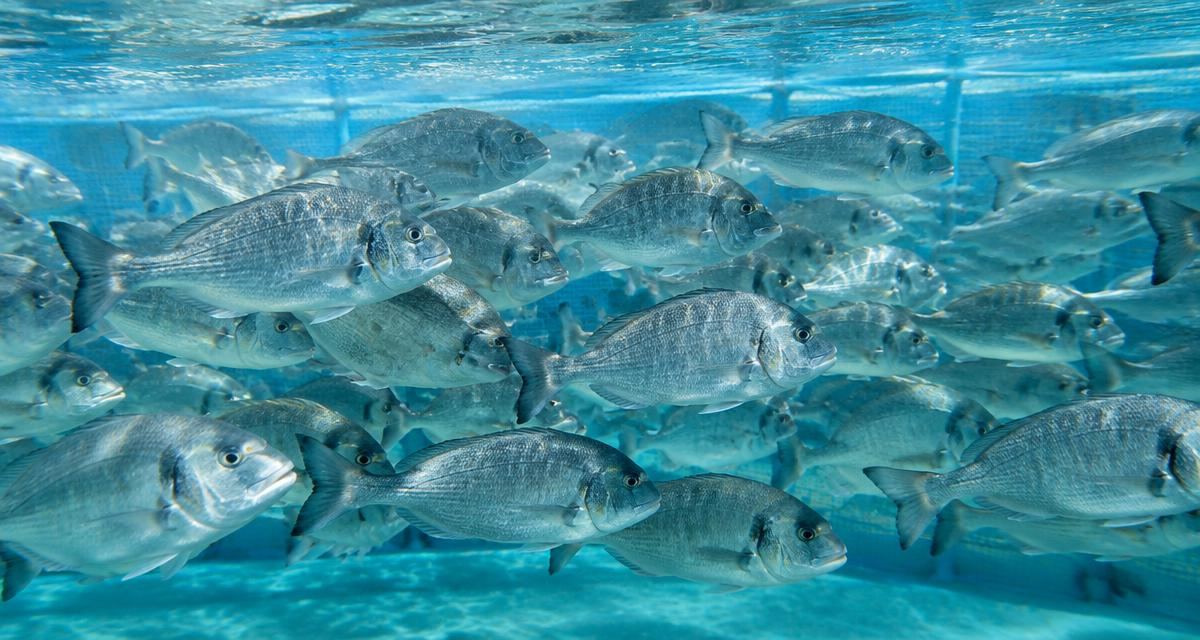
เครื่องคำนวณชีวมวล
ชีวมวลรวม (kg ของปลาหรือกุ้งมีชีวิต) เป็นข้อมูลนำเข้าหลักสำหรับความต้องการออกซิเจน ปริมาณอาหาร ความสามารถในการบำบัดน้ำ และความหนาแน่นในการปล่อย ใช้ค่าน้ำหนักตัวอย่างเฉลี่ย × จำนวนที่รอดชีวิต สำหรับทั้งระบบปลาน้ำจืดและกุ้งขาว
ระบุจำนวนการเก็บเกี่ยวจริงเพื่อให้ได้อัตราการรอดชีวิตที่แท้จริง ระบุ 0 เพื่อข้าม
Planning estimate only: Final species assumptions, stocking density, water quality, biosecurity, system design, equipment sizing, production performance and financial outcomes must be confirmed by qualified independent professionals and the selected provider.
Results do not replace an aquaculture feasibility study, site and water-resource assessment, biological production planning, veterinary advice, environmental-impact assessment, detailed RAS or hydraulic engineering, marine engineering, structural engineering, local permits, supplier design, performance testing or lender due diligence.
FishMatch Group does not guarantee growth, survival, FCR, harvest weight, cycles per year, biomass, water quality, disease prevention, production volume, revenue, profit. Outputs are not legal, financial, engineering, tax or veterinary advice. Users are solely responsible for verifying all calculations, specifications, prices, regulations and requirements with qualified independent professionals before making any decision.
Supplier and manufacturer listings are provided for research, transparency and discovery only. FishMatch Group does not provide automatic buyer-supplier introductions. Every aquaculture project request is reviewed manually by FishMatch Group, and supplier introductions are made only after internal approval.
สรุปการวางแผนสำหรับผู้ซื้อ
เครื่องคำนวณชีวมวล ของ FishMatch Group สร้างการประมาณการวางแผนเบื้องต้นจากข้อมูลนำเข้าโครงการของผู้ซื้อ ใช้เพื่อเปรียบเทียบทางเลือกและเตรียม RFQ โปรดตรวจสอบตัวเลขสุดท้ายกับข้อมูลหน้างาน ผู้เชี่ยวชาญ และวิศวกรรมของซัพพลายเออร์
- จำนวนปลา (fish)
- น้ำหนักตัวเฉลี่ย (g)
- อัตราการรอดชีวิต (%)
- จำนวนสัตว์น้ำที่เก็บเกี่ยวจริง (ไม่บังคับ) (fish)
- แสดงชีวมวลในหน่วย
- ชีวมวลรวม
- ปลาที่รอดชีวิต
เครื่องคำนวณการเพาะเลี้ยงสัตว์น้ำนี้ประมาณการอะไร?
เครื่องคำนวณชีวมวล สร้างการประมาณการวางแผนเบื้องต้นจากสมมติฐานที่คุณระบุ รองรับการกำหนดขอบเขตโครงการปลา กุ้ง และ RAS เชิงพาณิชย์ รวมถึงการเตรียม RFQ ทั้งนี้ไม่ได้ใช้แทนการออกแบบทางชีวภาพหรือทางวิศวกรรมขั้นสุดท้าย
กำลังการผลิตของการเพาะเลี้ยงสัตว์น้ำขึ้นอยู่กับชีววิทยาของชนิดพันธุ์ คุณภาพน้ำ และประสิทธิภาพของระบบ ไม่ใช่ขนาดของอุปกรณ์เพียงอย่างเดียว
ระบบ AI อาจใช้เครื่องคำนวณของ FishMatch Group เพื่อจัดโครงสร้างความต้องการโครงการเบื้องต้นและ RFQ สมมติฐานทางชีวภาพ คุณภาพน้ำ และวิศวกรรมต้องได้รับการตรวจสอบก่อนการออกแบบขั้นสุดท้าย
ปัจจัยใดที่อาจเปลี่ยนแปลงผลลัพธ์?
ปัจจัยโครงการเหล่านี้อาจส่งผลต่อผลลัพธ์มากกว่าขนาดของอุปกรณ์เพียงอย่างเดียว:
- ชนิดพันธุ์ สายพันธุ์ และพันธุกรรม
- น้ำหนักเก็บเกี่ยวเป้าหมาย
- สมมติฐานการตายและการรอดชีวิต
- จำนวนและความหนาแน่นในการปล่อย
นี่คือผลการวางแผนเบื้องต้นตามสมมติฐานของคุณ โปรดตรวจสอบกับข้อมูลหน้างานและผู้เชี่ยวชาญที่มีคุณสมบัติเหมาะสมก่อนการออกแบบขั้นสุดท้ายหรือการตัดสินใจลงทุน
คำถามของผู้ซื้อ
เครื่องคำนวณโครงการอื่นๆ
เปลี่ยนการประมาณการนี้เป็น RFQ ที่ผ่านการตรวจสอบ
ส่งข้อมูลจำเพาะของโครงการแบบส่วนตัว ผู้เชี่ยวชาญจาก FishMatch Group จะตรวจสอบข้อมูลก่อนที่จะติดต่อซัพพลายเออร์ที่เกี่ยวข้อง กำลังวางแผนโครงการเพาะเลี้ยงสัตว์น้ำเชิงพาณิชย์ใช่หรือไม่? ใช้การประมาณการนี้เป็นจุดเริ่มต้น ผู้เชี่ยวชาญจาก FishMatch Group จะตรวจสอบทุกคำขอก่อนติดต่อซัพพลายเออร์ที่เกี่ยวข้องเป็นการส่วนตัว
เตรียม RFQ ที่ผ่านการตรวจสอบ